The Heart
The heart is a muscle that works like a pump sending blood around the body. The heart has a left and right side, which have separate functions. The right side of the heart first pumps blood to the lungs where it collects oxygen and releases carbon dioxide. The left side’s job is to collect the oxygenated blood from the lungs and pump it around the body to deliver oxygen to the cells. The blood now low in oxygen travels back to the heart and the process is repeated.
Watch the video below to find out more about how the heart works in action!
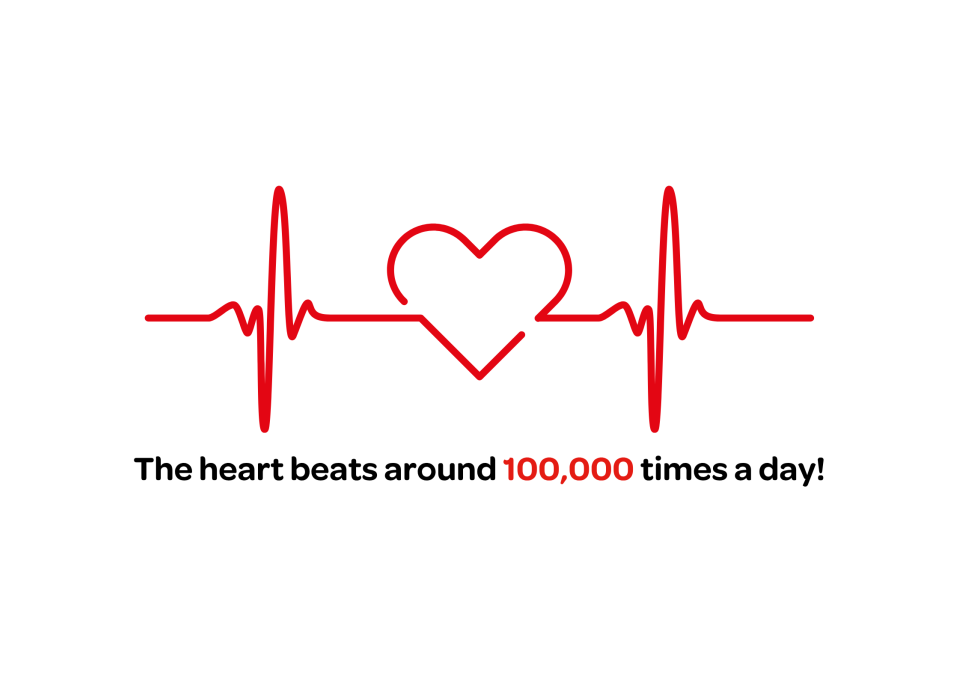
Fun Heart Facts!
-
A heart attack is caused by a sudden blockage, usually a blood clot, within the arteries travelling to the heart, resulting in a lack of blood supply to a part of the heart. If left untreated, due to not getting enough oxygen from the blood, the heart muscle will be starved and begin to die, which may cause permanent damage. The leading cause of a heart attack is coronary heart disease (CHD). This is a condition in which cholesterol builds up on the walls of the major blood vessels that supply the heart with blood. This narrows them and the fat deposits can rupture, triggering a blood clot to form.
Symptoms:
The symptoms of a heart attack vary from person to person, some people may experience multiple symptoms or some may have no symptoms, which is known as a silent heart attack. The symptoms can come on gradually, some people experience them weeks, days or hours before a heart attack and the symptoms don’t always look or feel severe.
- Chest pain – pressure, tightness or heaviness across the chest
- Pain elsewhere in the body – arms, neck, jaw, back
- A feeling similar to indigestion – painful or burning feeling in the chest or stomach
- Shortness of breath
- Dizziness or lightheaded
- Sweating
- Sense of unease or anxiety – some people describe the feeling of sudden doom
-
A cardiac arrest is not the same as a heart attack. A cardiac arrest is when the heart suddenly and unexpectedly stops beating. This means blood flow to the body and brain stops, causing rapid loss of breathing and consciousness. It can happen due to a number of reasons. The most common cause is an abnormal heart rhythm, which is when the electrical impulses that manage the hearts beating stops working as it should. It can also be caused by a congenital heart defect or an external event such as electrocution, choking or trauma.
Symptoms:
- Sudden collapse
- No pulse
- No breathing
- No response
-
Angina is a pain across the chest which is a result of reduced blood flow to the heart muscle. This is due to build up of fatty deposits (plaque) on the arteries walls. It is not life threatening, but can be a warning sign of a heart attack or stroke. Angina is usually triggered after physical activity or can occur during time of stress. Some people also report that angina develops more easily in cold temperatures and windy weather, or after large meals.
Symptoms
- Pain, pressure or tightness in chest
- Pain in arms, shoulder, neck or jaw
Treatment
- Lifestyle changes – diet and exercise
- Medication – usually mouth spray or tablets that dissolve under the tongue
- Surgery – if medication is not helping to keep angina under control, surgery may be required
-
Heart rhythm is the regularity of the heartbeat. Your heart has a natural pacemaker called the sinus node which controls the pace of the heart by sending electrical signals. The heart will normally beat between 60 and 100 times a minute when you are resting. If there is a change in the heart rhythm causing it to become abnormally fast, slow and/or irregular, this is known as an arrhythmia. Most arrhythmias are harmless, but some can be serious, as it may mean the heart is not able to pump enough blood around the body.
-
A heart murmur is when the heart has an extra beat or unusual sound. This is a result of the blood not smoothly flowing into the heart. A normal heartbeat is normally a whooshing noise.
They are common in children and young people due to an increased blood flow to the heart. The majority of heart murmurs are not dangerous and do not require medical attention. Though sometimes they can be caused by a problem with the heart, so a doctor may send you for tests to see how well your heart is working.
-
Congenital heart disease is a condition someone is born with. The heart is made up of four main sections which are called chambers and has four valves that control how the blood flows between the chambers and around the body. Congenital heart disease happens when one or more of these chambers or valves do no develop properly in the womb.
Congenital heart disease is one of the most common birth defects and affects 8-10 of every 1,000 babies born. In Northern Ireland over 200 babies are born with the condition a year, and 50 of these will require surgery within the first year of their life.
Common Heart Treatments & Tests

Pacemaker
Click to find out more about pacemakers and what they do.
A pacemaker is an electronic device, around the size of a matchbox, which is placed under the chest skin. It is the most common type of heart surgery performed and can improve someone’s quality of life significantly. The heart has a natural pacemaker called the sinus node, but if this stops working properly a pacemaker can replace its function. It works by keeping the heartbeat timing and sequence normal, by sending electrical pulses through the leads to the heart

Stents
Click to find out more about Stents.
Stents are permanent small wire mesh tubes that are inserted into the arteries in order to keep them open and allow blood to flow freely through. They are usually inserted when fat deposits (plaque) build up in the artery walls and cause them to become narrow which can limit blood flow to the heart. This can cause angina or in serious situations heart attacks.
ECG
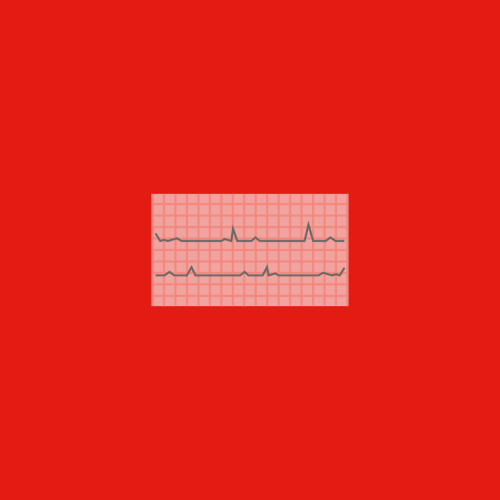
Click to find out more about an ECG.
An electrocardiogram (ECG) is a quick and painless test that measures the activity and rhythm of the heart. It can show if there is reduced blood flow to the heart or if there is damage to the heart. The ECG will also show how fast the heart is beating and can show any irregularities in its rhythm.