The Brain
Your brain is like your body’s control centre — it sends and receives messages that help you think, move, feel, see, hear, and do everything you need to stay alive and active. It controls everything from your heartbeat and breathing to your emotions and memory. Because your brain is so important, it needs a constant supply of oxygen and nutrients carried by your blood.
What is a Stroke?
A stroke happens when the blood flow to part of your brain is suddenly stopped or blocked.
This means that part of your brain can’t get the oxygen and nutrients it needs, so the brain cells in that area start to get damaged or die. A stroke can impact different parts of your body or different things you do, depending on which area of the brain it happens in. For example, having a stroke can cause things like weakness on one side of your body, trouble speaking, problems with balance, or changes in how you think or feel. A stroke is a medical emergency, and getting help quickly can make a big difference in recovery.
There are two types of strokes:
Ischaemic Stroke
That's a big word! Pronounce it: I-scheme-ick
An Ischaemic Stroke is the most common type and is caused by a blood clot blocking one of the arteries carrying blood to the brain
Haemorrhagic Stroke
That's a big word! Pronounce it: hem-uh-raj-ick
A Haemorrhagic Stroke is a result from a bleed within the brain due to a blood vessel bursting, which can be caused by high blood pressure or a head injury.
Know the signs of a stroke! Remember to ACT FAST.
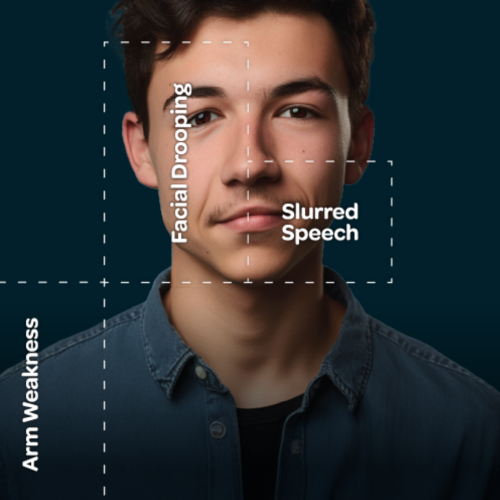
Facial Drooping on one side of the face. Can the person smile? Has their mouth or eye dropped?
Arm Weakness. Can the person raise both arms and keep them there? Is one arm weak?
Speech Slurred. Can the person speak clearly and understand what you say?
Time to get to hospital as soon as possible: If the person has failed any of these tests call 999 and get medical help immediately.
Other symptoms can include:
- Sudden weakness or numbness down one side of the body
- Sudden vision loss or blurred vision in one or both eyes
- Sudden severe headache
- Confusion and memory loss
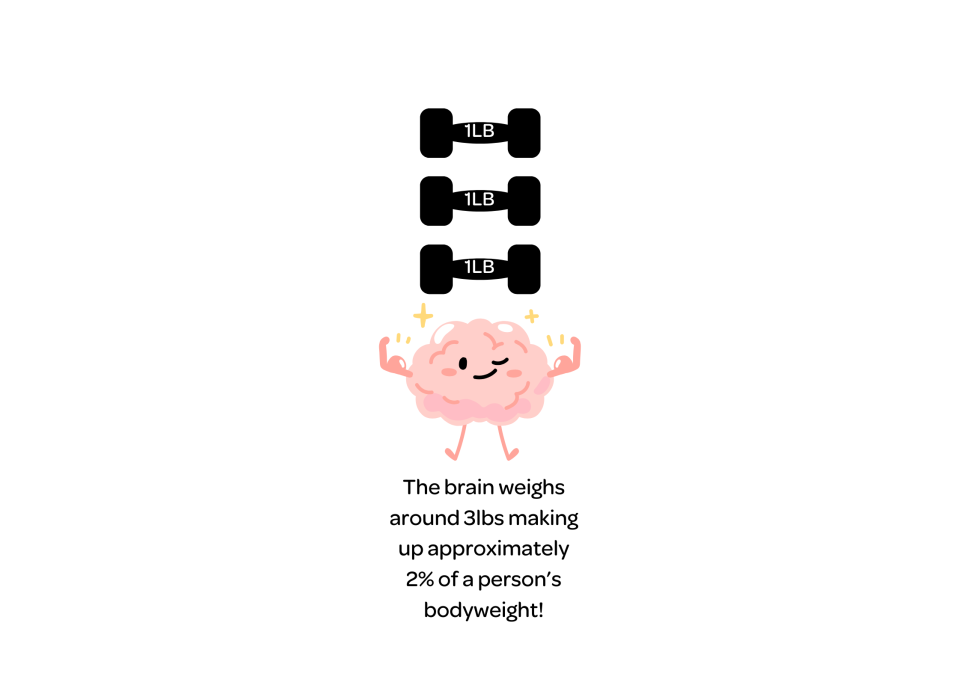
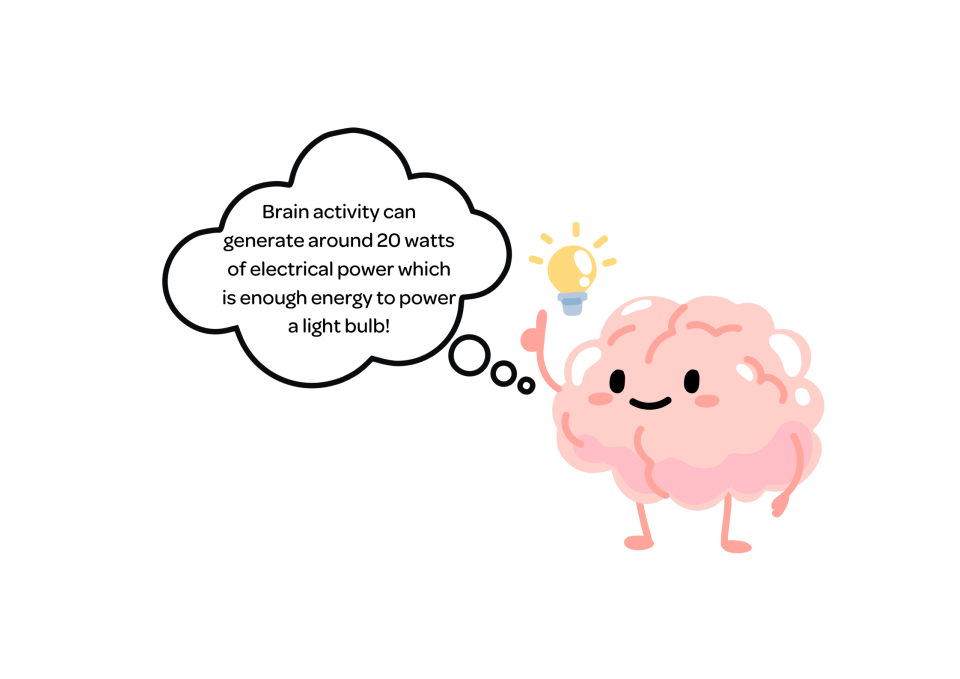
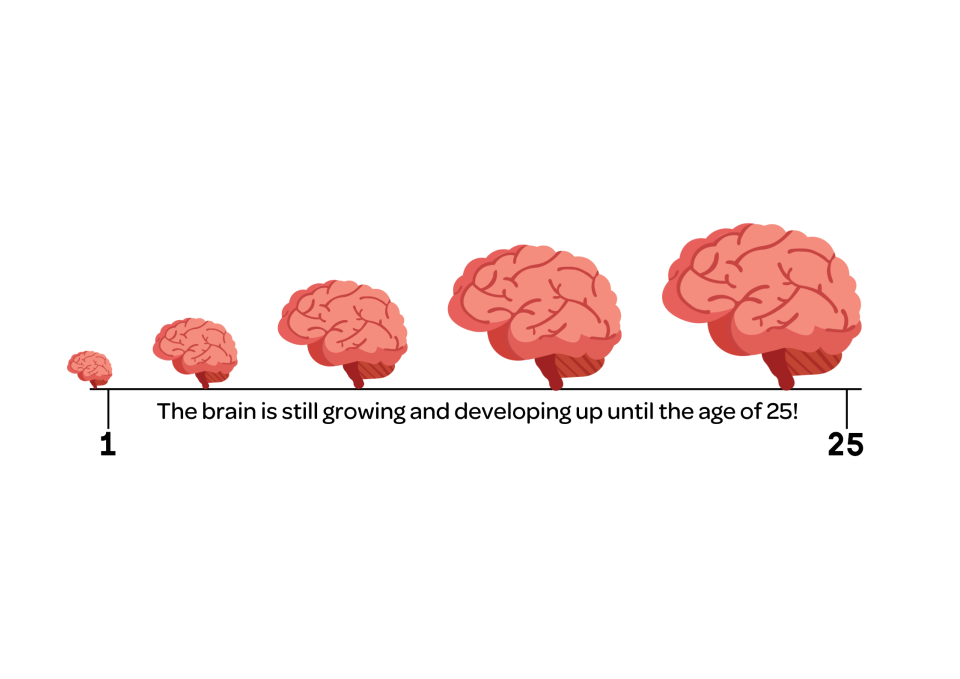
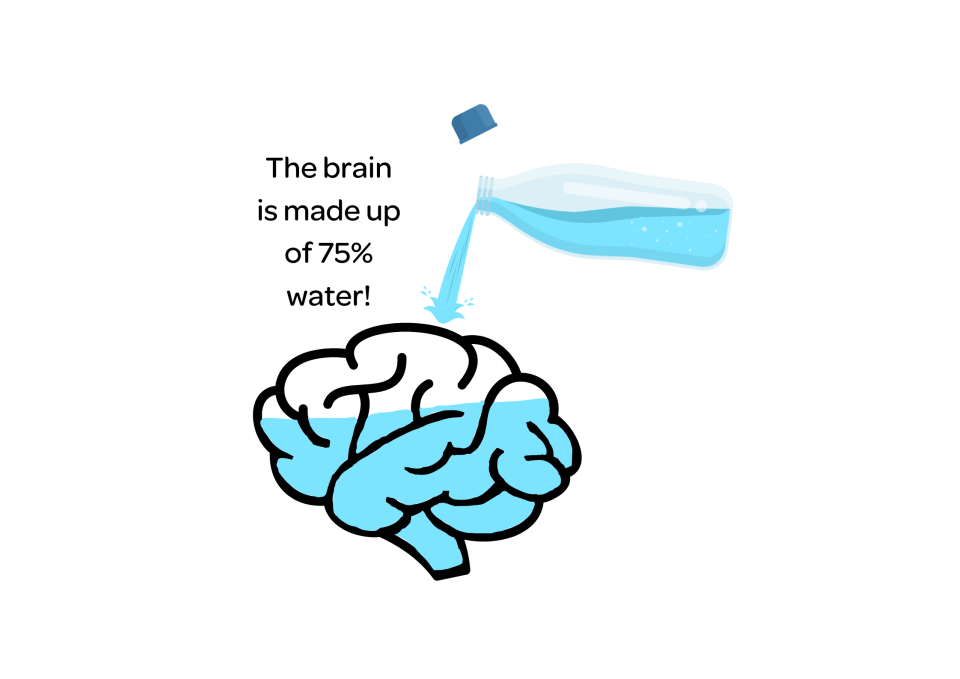
Fun Brain Facts!
TIA or Mini-Stroke
A transient ischaemic attack (TIA) or ‘mini stroke’ has symptoms similar to a stroke but for a short period of time. It is as a result of a temporary block in a blood vessel in the brain by a clot, but the body is able to break it down before any long-term damage is done. Although the symptoms will resolve on their own, treatment is still required to prevent another TIA or full stroke from happening.