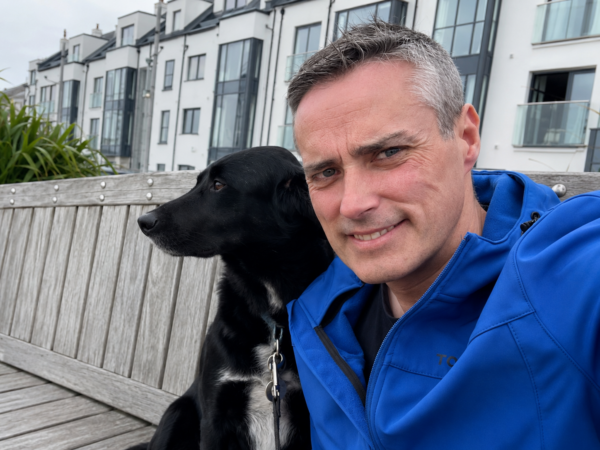
The theme of 2026’s Men's Health Week (15-21 June) is ‘One step at a time- progress, not perfection’ and someone who understands all about making progress with your health is Jonathan Edwards, 49, from Ballyclare. Jonathan was a fit and healthy 47-year-old when he had an unexpected heart attack. He is sharing his story to raise awareness that a heart attack can happen to anyone at any age and in support of local charity Northern Ireland Chest Heart & Stroke (NICHS) who are calling on men to take stock of their health this Men’s Health Week and beyond.
Jonathan recalls; “My heart attack happened completely out of the blue almost two years ago. It was the last thing I expected to happen to me as I was very focused on having good health. I worked out regularly, ate healthily, didn't drink much, and didn’t smoke.”
“I had a private health check in June 2024. It highlighted my blood pressure was on the slightly higher side of normal and being health conscious I thought I should go and see my doctor. I couldn’t get an appointment, so I ended up ended up going privately. The doctor did a full health check and told me I was at very low risk of any sort of health event. He said it was probably white coat syndrome that had pushed my blood pressure up at my original check. My markers showed I was fit and healthy, but the doctor put me on a 24-hour blood pressure monitoring cuff just to be on the safe side.”
“Six days later I went out cycling with my brother and when I got home, I started feeling really unwell with nausea, vomiting and diarrhoea. After a few hours it eased off but I still felt very run down. I phoned the doctor the next day as I still felt rotten, but they said it was probably a stomach bug. The day after that I still didn’t feel great. Conscious of how busy our hospitals are I called NHS 111 first and spoke to someone in A&E who said it was a bug or flu and to speak to my GP.”
Jonathan continues; “That evening my wife and I were watching TV and my smart watch started alerting me to a high heart rate. My wife said we should go to hospital, so we went to Antrim Area Hospital. They couldn’t determine what was causing my increased heart rate and thought it might be due to sepsis. They sent me to the Royal Victoria Hospital, where I had an angiograph. This involved putting a tube through an artery in my wrist to go up to my heart and having a special dye injected. Within a few minutes it was determined I was having an ongoing heart attack.”
“I was sent to theatre immediately and had an operation to have two stents fitted. The surgeon that did my operation told me the next day he hadn’t expected to see me as I was in such a bad way after the operation he didn’t think I would make it through the night. Being told that was a big shock. I also didn’t really feel like my heart was pounding out of my chest whenever my watch was alerting me so there are times I think ‘what if I hadn’t been wearing my watch, what might have happened?’ I probably wouldn’t be here.”
“It wasn’t plain sailing after the operation unfortunately. I suffered a lot of side effects, and my heart went into shock. I was in hospital for ten days to try and get a handle on things. I went through cardiac rehab to build my strength back up and my blood pressure was very low for a long period of time. I had to take six months off work and build my health up again. Thankfully, I now feel as if I'm totally back to normal, but it has been a hard road.”
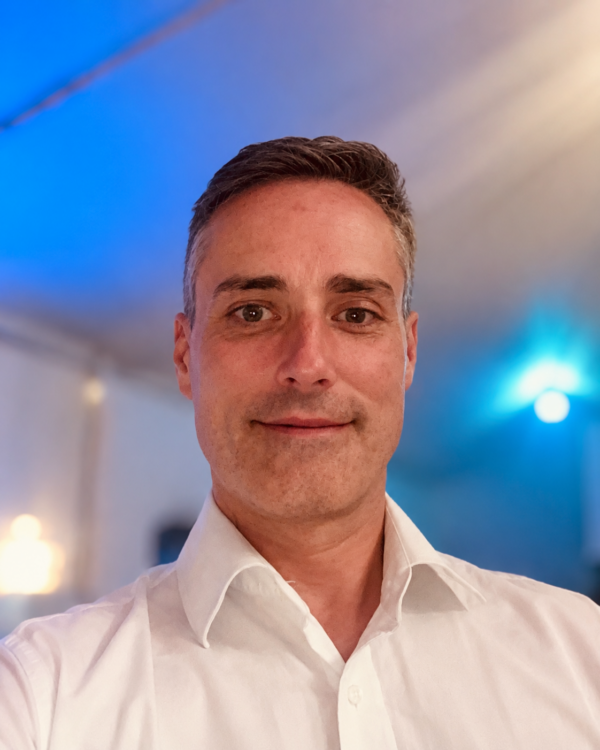
Talking about sharing his story to raise awareness during Men’s Health Week Jonathan says; “For me, it's a bit about trying to give something back, to try and help people to not have to go through a similar experience- one which I was very lucky to get through.”
“This has been a bit of a journey and one of the big takeaways for me has been low risk does not mean no risk. I was probably a bit arrogant to that because I did everything I felt I should be doing health wise, but a heart attack still happened to me. I would say to people, even though you think you are doing all the right things, you still need to be aware of the symptoms of heart attack and take fast action if you have any. I was very lucky; I got away with this by the skin of my teeth.”
“Since the heart attack I have been a real advocate with family, friends and colleagues about doing the basics like getting your blood pressure and cholesterol checked. So many people think, ‘I’m fine, it won't happen to me’, but it can. I also didn’t have symptoms that I ignored- I had a few signs, and I followed up on them but was told there was nothing really there to worry about. I also didn’t have symptoms that many people associate with heart attack like tightness in my chest or pain in my arm, but my heart attack still happened. I knew something wasn’t right, so I would encourage people not to ignore things, keep pushing if something isn’t normal for you. I want to highlight you can't be complacent when it comes to your health- a heart attack can happen to anybody at any time, and I am proof of that.”
“I would also encourage people to look after their health as much as possible. It’s great we have the technology that allows operations like having stents fitted but it’s so important to think about lifestyle changes too to support your recovery as well as reduce your risk of something similar happening again. Diet, exercise, alcohol consumption, not smoking, sleep and so on are vital to consider too. I made myself a promise in hospital- anything I can do to support my health and reduce my risk, I will do.”
Jonathan’s road to recovery has been challenging as he explains; “There were of course the physical aftereffects of the heart attack but there was also a big mental barrier to get over. I had been so fit and active and to be told I had had a heart attack, and major surgery was hard to take in.”
“I was very determined to push on with my recovery journey however and to get back to the way I was before the heart attack as much as possible. I went from cycling 30 or 40 miles in a day, doing spin and calisthenics to walking 50 yards and back. That had a big impact mentally and I was afraid, thinking ‘is this going to be it?’, especially because of my age. Your mind can run away from you. I was focussed however and put a plan in place for my recovery and just kept building on things. I am back doing everything I was doing beforehand although with a bit more caution.”
Fidelma Carter, Head of Public Health at Northern Ireland Chest Heart & Stroke, says; “We are very grateful to Jonathan for sharing his story this Men’s Health Week and raising awareness of heart attack and how this can affect anyone, at any age. People may be surprised to learn that coronary heart disease is the biggest single cause of premature deaths in people younger than 75 across NI.”
“As Jonathan said, it is important to know the STOP acronym. Unfortunately, a lot of people don’t realise they are actually having a heart attack. If you notice yourself or someone else presenting with any of these symptoms, don’t wait, call an ambulance immediately’’
“The STOP acronym stands for:
S – Something’s not right – symptoms can start slowly
T – Tightness or pain in the chest, pain in the arm, neck, or jaw
O – Other symptoms such as shortness of breath, nausea, or sweating
P – Phone 999 immediately.”
“The sooner a potential heart attack is recognised, and the faster medical help is sought, the better the chances of recovery are.”
If you have been affected by a heart condition and need support visit https://nichs.org.uk/heart-support for further information about Northern Ireland Chest Heart & Stroke’s support services.