

Why is eating healthy important?
Eating a healthy balanced diet is important to help prevent diseases, such as heart attacks, strokes and type 2 diabetes, but it also helps you to feel your best. It’s important to eat a variety of healthy foods to help get all the nutrients and vitamins that your body needs. A healthy diet isn’t about eating less or more, but eating right to support overall health and to maintain a healthy weight and keep both cholesterol and blood pressure at a healthy level.
Get Support
If you are struggling with food or body image, it is important to reach out for support and help to avoid negatively impacting your physical and mental well-being.
Eating Disorders Association NI
The UK's Eating Disorder Charity - Beat
The Laurence Trust – Supporting men and their families living with eating disorders
What is cholesterol?
Cholesterol is a type of fat that is found in the blood and the body makes around 80%, the other 20% comes from the foods we eat. It is needed by the body to function properly, but too much of the wrong type can cause blockages in the blood vessels increasing the risk of a stroke or heart attacks. There are two types of cholesterol:
- HDL (high-density lipoproteins) cholesterol is the good type of cholesterol, their job is to carry excess cholesterol to the liver where it is removed from the body
- LDL (low-density lipoproteins) cholesterol is the bad type of cholesterol that can build up in the arteries
- Triglycerides are a type of fat also found in the blood. When you eat the body converts any unused calories into triglycerides and stores them for later use. If more calories are eaten than burned, triglyceride levels can be raised and increase the risk of strokes, heart disease and type 2 diabetes
Fats
Unsaturated fats are usually from a plant-based source or liquid at room temperature, for example olive oil, sesame oil, nuts and avocado. The only exception is coconut oil which is a saturated fat. Unsaturated fats help to increased HDL cholesterol.
Saturated fats are usually from an animal source or solid at room temperature, for example red meat, cheese, cream and butter. Saturated fats increase LDL cholesterol.
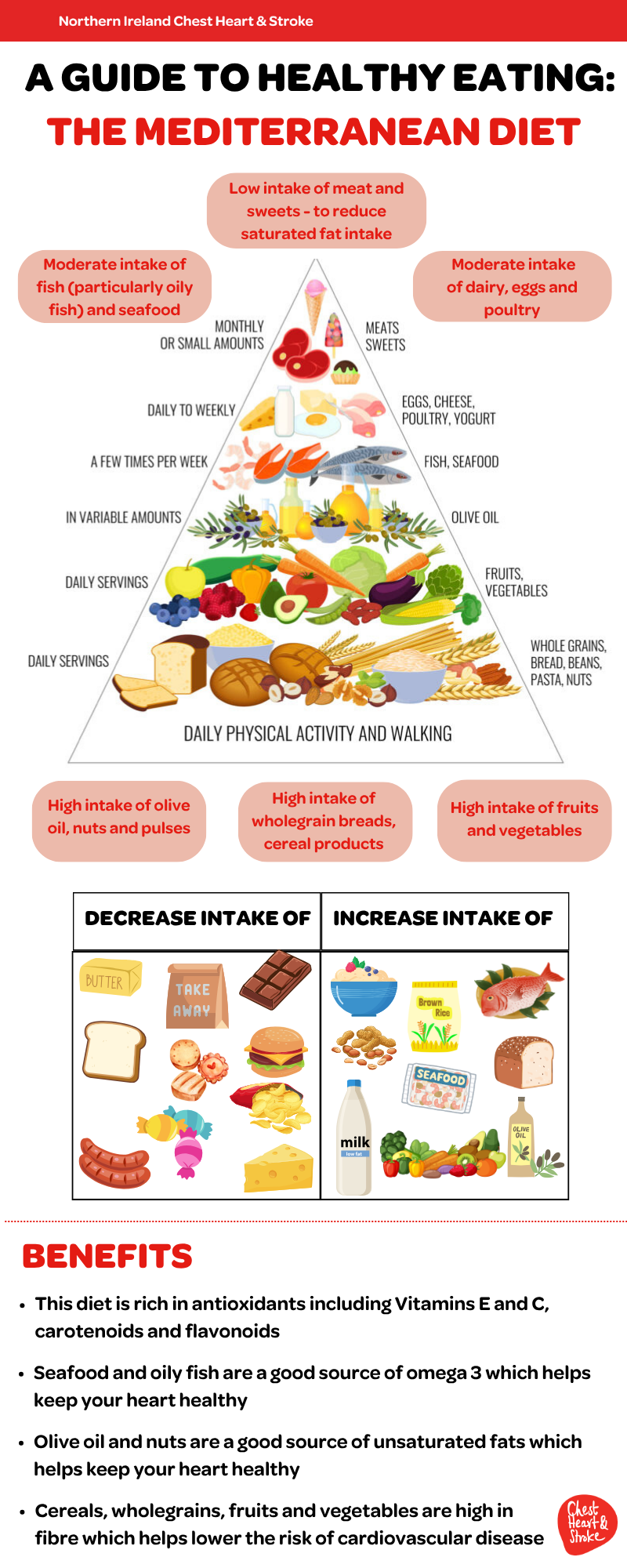
The Eatwell Guide
The Eatwell Guide shows you exactly what foods you should be eating, and how much of those foods you should be eating to help maintain a healthy, balanced diet with a wide range of nutrients that your body needs.
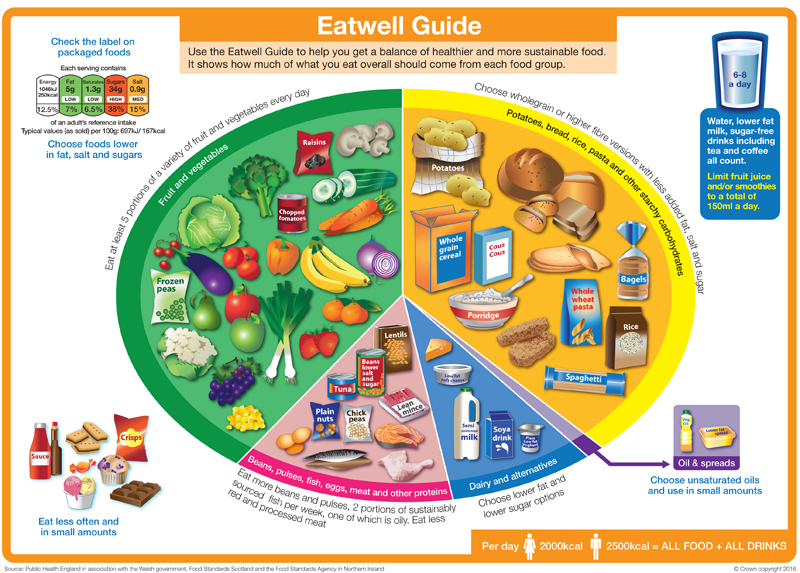
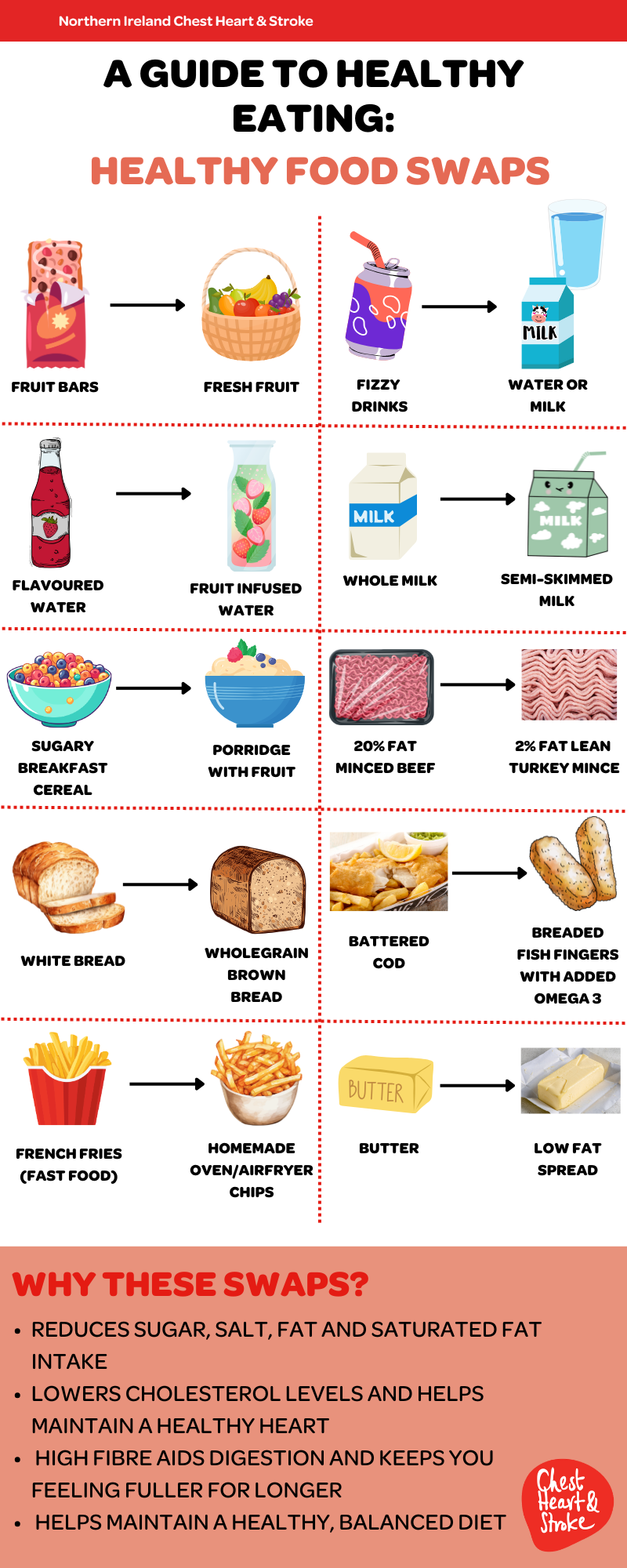
Foods That Improve...

Skin
Water
Vitamin A - Tomatoes, carrots & eggs
Vitamin C - Citrus fruits eg. oranges, peppers, broccoli
Vitamin E - Plant oils, vegetable oil, sunflower, olive oil, Nuts and seeds, almonds, peanuts, sunflower seeds

Immune System
Vitamin C - Citrus fruits, such as oranges and grapefruit, Peppers, Strawberries
Vitamin D - Oily fish – salmon, mackerel, sardines, Egg yolks, Fortified breakfast cereals
Vitamin A - Cheese, Milk and yogurt, Yellow fruit such as mango and apricots

Brain Power
Vitamin B - Eggs, Leafy green veg, Poultry
Vitamin D - Fatty fish (salmon, mackerel, sardines), Egg yolks, Fortified breakfast cereals
Omega 3 - Oily fish (salmon, mackerel, sardines), Walnuts, Seeds – pumpkin, sunflower, chia seeds

Gut Health
Keep your tummy and gut happy and healthy!
Vitamin A - Tomatoes, carrots, eggs.
Fibre - Oats, Wholegrain (brown rice, brown bread, quinoa), Beans and lentils
Tryptophan - Lean meats (eg. chicken, turkey), Salmon, Nuts and seeds (almonds, walnuts, pumpkin seeds and sesame seeds)

Energy Zappers!
- Sugary foods and drinks
- Highly processed foods – crisps, meat pastries like pies and sausage rolls, sweetened drinks, some ready meals
- Foods high in trans fats – fried foods, baked goods like pastries, cakes and biscuits, ready meals, crisps
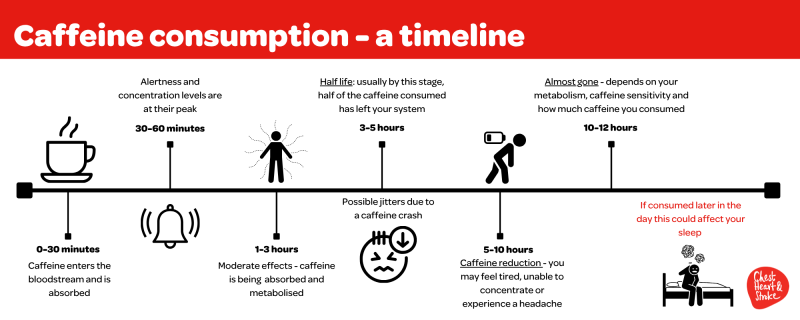
- Excess caffeine – caffeine gives an initial energy boost but too much can cause dehydration and an energy crash
- Refined carbohydrates – such as white bread and pasta can spike blood sugar levels quickly which is then followed by a dip in energy
Healthy Eating for Sport
-
To maintain strength and muscle mass protein intake is important. Protein is essential when it comes to muscle growth and repair as it provides amino acids which are the building blocks of muscle tissue. Protein rich animal foods include poultry, lean meat, fish and seafood, eggs. Protein rich plant-based foods include lentils, chickpeas, beans, nuts and seeds.
-
To maintain energy levels carbohydrate intake is important. The function of carbohydrates is to fuel the body with energy to perform all of its processes.
Sugary foods and drinks provide energy quickly as they can be broken down faster. Though this will only provide a short burst of energy which will quickly decline. Starchy carbohydrates are harder to break down which means energy will be released slower. When you exercise you burn a lot of energy, so it is important to fuel your body well before and after exercising.
Choose healthier sources of carbohydrates such as wholegrain pasta, wholegrain bread or rice for a slower release of energy but also higher levels of fibre in the diet which aids digestion and helps you feel fuller for longer.

REDs
Relative Energy Deficiency in sports, also known as REDs, is a condition that happens when an athlete is burning more energy (calories) than what they are consuming to meet training demands. This can have serious implications on cardiovascular health, including a lower heart rate (bradycardia), increased arrhythmias (irregular heartbeat), lower blood pressure and the potential to have long-term effects. The symptoms of REDs include fatigue, frequent injuries, mood changes and for females missed menstrual cycles.
How do I avoid this?
To prevent this, it is important to ensure calorie intake matches energy output, which means fuelling your body with the correct nutrition. So, let’s break it down…
-
Carbohydrates are the bodies main source of energy and therefore are key in sports nutrition. Before training sessions opt for carbohydrates that the body can quickly breakdown, for example bagel and peanut butter, toast and jam, Greek yogurt and granola or fruit juice such as pure orange juice. Depending on training duration, if more than 90 minutes long, carbohydrates may need to be consumed during the session. After exercising it is important to refuel the body with both a source of carbs and protein, for example scrambled eggs and wholemeal toast, crackers and cheese or chocolate milk.
-
Include protein in main meals as well to help with muscle growth, recovery and repair. For some adults they may find using protein supplements useful, however getting protein from food sources should be the focus especially for young athletes. Include a variety of protein foods in the diet such as chicken, turkey, Greek yogurt, cottage cheese, nuts and seeds, chickpeas and lentils in your diet.
-
In sports the body does need some fats in the diet as it can be used as a back-up source of energy especially in endurance sports. Though it is important to choice healthy fat options (unsaturated fats), such as avocados, nuts and seeds, olive oil and oily fish like salmon and mackerel.
Food is Fuel
It is also important to remember food is fuel so don’t skip meals, make sure to get all three main meals alongside snacks in the day getting your nutrition through foods instead of supplements. Avoid overtraining, include rest and recovery days in the week, stay well hydrated as dehydration can make symptoms worse and be aware of the warning signs of REDs.
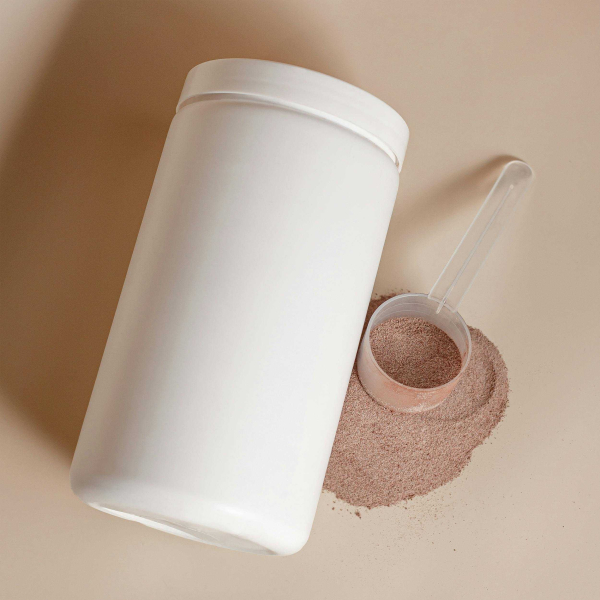
Do I need Protein Supplements?
Protein supplementation should not replace meals and is not essential to sports nutrition, especially for young athletes, but it is good to understand what variety of options are available for adults.
-
Probably the most popular type as the body is able to absorb it quickly, which can lead to faster recovery, and it contains all nine essential amino acids, the building blocks of protein. Whey protein comes from the cheese-making process, when the liquid part of milk separates from the curds. This means it is not suitable for vegans and for some people may cause digestive issues.
-
Also, a protein from milk, casein is very similar to whey protein except it is digested by the body slower. It can take 6-8 hours to be absorbed by the body, therefore can be taken before bed for overnight muscle recovery.
-
Pea protein is a plant-based protein that comes from yellow split peas, making it a good alternative for vegans and those with dairy allergies. It is absorbed into the body slower and therefore making it more gentle on digestion. Like the animal based proteins, whey and casein, pea protein also contains all nine essential amino acids.
-
One of the most popular plant-based proteins which comes from the soybean. It also contains all nine essential amino acids and is digested slower than whey protein making it more gentle on the stomach.
Hydration in Sports
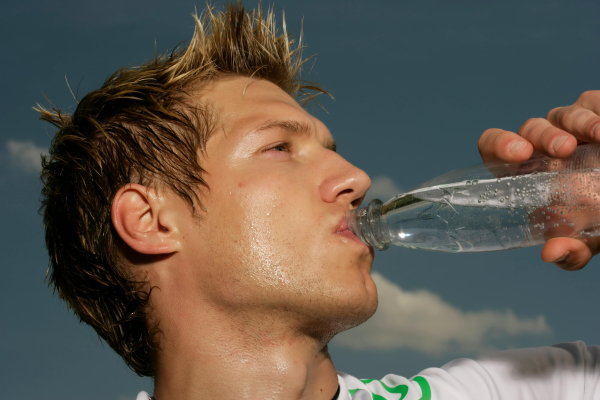
It is recommended to drink 6-8 glasses of water a day, whether training or not. It is essential in sports to be well hydrated in order to replace water lost through sweat. Adequate fluid intake will help to enhance performance and recovery.
Sports drinks can be useful for replacing electrolytes, such as sodium, and providing glucose for energy. However, they are designed for exercise that lasts more than 90 minutes, as like other soft drinks they contain higher levels of sugar meaning they can be high in calories and lead to tooth decay. Instead opt for water, no added sugar diluting juice or milk is a great rehydration option, as it has a high water content but also replaces electrolytes whilst providing carbohydrates and protein for recovery.
-
Fruit and vegetables | nidirect
Why does my body need carbohydrates?
Here’s What Protein Does: 5 Functions and Examples
Is red meat OK after all? - BHF
The top 5 high protein plant-based foods recommended by a dietitian - BBC Food
Animal vs. Plant Protein — What’s the Difference?
What are carbohydrates? - Nutrition, digestion and excretion - KS3 Biology - BBC Bitesize
Starchy foods and carbohydrates - NHS
Foods that:
Retinoic Acid and Its Derivatives in Skin
The Roles of Vitamin C in Skin Health - PMC
Vitamin E in dermatology - PMC
Skin moisturization mechanisms: New data - ScienceDirect
Foods to deliver immune-supporting nutrients - ScienceDirect
Nutrients Interaction with the Immune System - PMC
The role of Nutrition in the Immune system functions | Lakra | Integrated Journal of Social Sciences
B Vitamins and the Brain: Mechanisms, Dose and Efficacy—A Review - PMC
The Role of Vitamin D in Brain Health: A Mini Literature Review - PMC
Effects of Omega-3 Polyunsaturated Fatty Acids on Brain Functions: A Systematic Review - PMC
Vitamins, the gut microbiome and gastrointestinal health in humans - ScienceDirect
Influence of Foods and Nutrition on the Gut Microbiome and Implications for Intestinal Health - PMC
Influence of Foods and Nutrition on the Gut Microbiome and Implications for Intestinal Health - PMC
Sports:
Thieme E-Journals - International Journal of Sports Medicine / Full Text
Physical health and symptoms of relative energy deficiency in female fitness athletes - PMC