The Lungs
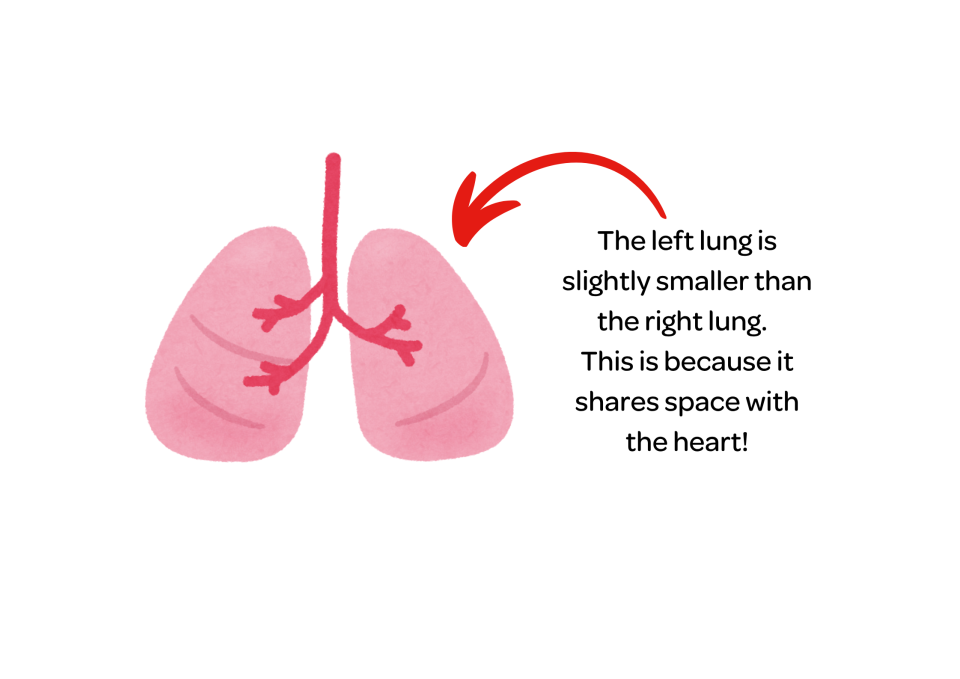
Your body needs oxygen from the air that you breathe in order to survive. The lungs absorb oxygen from the air and transfer it to the bloodstream and remove waste gases like carbon dioxide from the bloodstream. Healthy lungs are elastic, so will expand when you breathe.
When lungs become diseased or unhealthy they lose their elasticity. This means it can no longer expand properly or transfer oxygen to the bloodstream which means the affected person may have breathing difficulties and become tired easily. Respiratory diseases/conditions affect the lungs and airways therefore affecting a person’s breathing. This includes asthma, chronic obstructive pulmonary disease (COPD), pneumonia and many others.
Watch the video below to find out more about how the lungs work in action!
Lung Facts!
-
This is a condition that affects the airways (small tubes carrying air into and out of the lungs). Someone that has asthma will have sensitive airways that react to triggers. Triggers can include: allergies, smoke, exercise, infections like colds or flu. When someone with asthma comes into contact with one of these triggers, the muscles around the walls in their airways tighten and narrow, making it harder to breathe.
Symptoms include breathlessness, wheezing, a tight feeling in the chest and a persistent cough (which can be worse at night or after exercising). This can be described using SWIFT. The symptoms can sometimes get temporarily worse – this is known as an asthma attack.
Did you know? 14-24 year olds are the age group most at risk of having a fatal asthma attack.
When you think of your asthma, you might think it's just a bit of an annoying cough or wheeze now and again, or you might think taking an inhaler is embarrassing and geeky. But the reality is that every 10 seconds in the UK, someone has a potentially life-threatening asthma attack. Ignoring your asthma could be a grave mistake.
YOU can help prevent it. Here’s how:
Inhalers. Use your preventer every day and carry your reliever everywhere.
Always remember to take your preventer inhaler!
Make sure you're using proper technique to take your inhalers.Let others know about your asthma – your school, teachers and other family members or friends should know what to do in the event of an asthma attack.
Ensure you have an Asthma Plan, carry it with you or take a photo of it on your phone so you always have it.
Using inhalers correctly
Did you know only 30% of patients know how to use their inhaler correctly?
Make sure you:
Take your inhalers when you should be
Take your inhalers correctly
For loads more info on asthma, visit our Asthma for Teens or Asthma for Kids Hub.
Learn How To Manage Your Asthma!
We have created a free ‘Managing Your Asthma’ online course with the help of doctors and nurses from the Belfast Royal Victoria Children’s Hospital. This is designed for young people aged 11-21 years old who have asthma, to give you the knowledge, skills and tools needed to confidently navigate their life with asthma.
-
Cancer develops when cells become abnormal and grow uncontrollably. Over time they may form a clump which is known as a tumour. If cancer begins in the lungs, then this is known as primary lung cancer. If cancer begins in a different area of the body before spreading to the lungs this is known as secondary lung cancer.
There are 2 main types of primary lung cancer: small cell (SCLC) and non-small cell (NSCLC). Non-small cell lung cancer is the most common form. These cancers tend to be more aggressive and are commonly caused by smoking.
Initially there may be no signs or symptoms but many people with the condition may eventually develop symptoms which include a persistent cough or breathlessness, coughing up blood, or unexplained tiredness and weight loss.
Treatments include chemotherapy and radiotherapy. Surgery may also be offered for individuals with non-small cell lung cancer.
-
This occurs when a blood clot blocks a blood vessel in your lungs, and this can be life threatening if not treated quickly.
Symptoms include sudden difficulty breathing, worsening chest pain when you breathe in, coughing up blood or a pain, redness or swelling in one of your legs (typically the calf area).
Treatments include injections or tablets to prevent blood clots from getting bigger but also preventing new blood clots forming by thinning the blood.
-
This is the term used for a group of lung conditions that cause permanent, irreversible damage to a person’s airways. This is usually associated with long term exposure to triggers e.g. dust or chemicals. However, the main cause in the majority of cases is smoking. Other triggers include: second hand smoke, strong fumes, pollution.
Symptoms include a persistent cough, wheezing, production of mucus or phlegm, shortness of breath or chest infections.
There is no cure for COPD, but symptoms can be treated, and your quality of life can be improved. It is important to try and avoid some of the triggers mentioned above. Some treatments available to people suffering from COPD symptoms include bronchodilators
which open up the airways easing shortness of breath, steroids for long term relief of swelling and inflamed airways and antibiotics to treat chest infections.
If you have COPD and you smoke, the most important thing you can do is to stop smoking to prevent it from getting worse. Any damage already done to your lungs or airways will not be reversed, but it can prevent any further damage from occurring.
-
When someone vapes, they inhale the vapour produced by heating the e-liquid in the vape. This e liquid contains chemicals to keep it moist and hold the flavour. When these chemicals are heated and breathed in, they can irritate the throat causing it to become sore and inflamed and they also inflame the lungs making it harder to breathe. This may result in a cough or wheeze otherwise known as a vaper’s cough which may be more prevalent at night therefore also affecting your sleep.
Possible long-term effects from vaping:
Young people that vape are at risk of affecting their lung development (sometimes so much that they never reach their full lung function potential) and they maybe at risk of developing related lung diseases or infections.
Support to stop vaping:
There is a lot of help out there if you wish or someone you know wishes to stop vaping. Your GP or pharmacy can provide nicotine replacement therapy (NRT) treatment such as gum or patches. This can be accessed by anyone over the age of 12. Your local Health Trust and the Public Health Agency will provide information and stop vaping services to help and support your quit attempt. Other helpful websites include Smokefree Teen and Truth Initiative which provide tips and plans to help young people quit vaping.
Find out more in our vaping section for young people:
-
This is an inflammation of the lungs, usually caused by an infection. People with heart or lung conditions are at risk of getting seriously ill and may need treatment in hospital if they develop pneumonia.
Symptoms include shortness of breath, coughing up mucus or phlegm, chest pain, high temperature and wheezing. Usually, the treatment is a course of antibiotics.
-
This is an inherited condition that causes sticky mucus to build up in the lungs and digestive system. This can cause lung infections and problems with digesting food. In the UK, most cases are detected at birth using the heel prick test.
Symptoms include recurring chest infections, wheezing, coughing, shortness of breath, difficulty putting on weight or growing, yellowing of the skin and whites of the eyes, and constipation or diarrhoea.
There is no cure, but treatments are available to help with the symptoms and prevent complications occurring, also making the condition easier for the individual to live with. Exercise can help clear mucus from the lungs and a healthy, balanced diet can help avoid malnutrition in individuals suffering from the condition.
-
The coronavirus disease (COVID-19) is caused by the SARs-CoV-2 virus. It is an infectious disease spread from the mouth or nose through coughing, sneezing, speaking, singing or breathing. Most people will experience mild flu-like symptoms, such as a cough, fever, headache, tiredness and loss of taste or smell. Though for some with underlying medical conditions, such as cardiovascular disease, asthma, cystic fibrosis or diabetes, it can cause serious complications.
For most people the symptoms of COVID will clear up within two weeks but for some one or more of their symptoms can last longer affecting day to day life, which is known as long COVID. The most commonly reported symptoms of long COVID include, fatigue, shortness of breath, muscle pain, cough, joint pain and headaches. The length of time someone can experience long COVID symptoms varies from person to person. It is a new condition meaning it is still being researched and there are still many unanswered questions, such as what causes it and how best to help people.
Common Heart Treatments & Tests

Pacemaker
Click to find out more about pacemakers and what they do.
A pacemaker is an electronic device, around the size of a matchbox, which is placed under the chest skin. It is the most common type of heart surgery performed and can improve someone’s quality of life significantly. The heart has a natural pacemaker called the sinus node, but if this stops working properly a pacemaker can replace its function. It works by keeping the heartbeat timing and sequence normal, by sending electrical pulses through the leads to the heart

Stents
Click to find out more about Stents.
Stents are permanent small wire mesh tubes that are inserted into the arteries in order to keep them open and allow blood to flow freely through. They are usually inserted when fat deposits (plaque) build up in the artery walls and cause them to become narrow which can limit blood flow to the heart. This can cause angina or in serious situations heart attacks.
ECG
Click to find out more about an ECG.
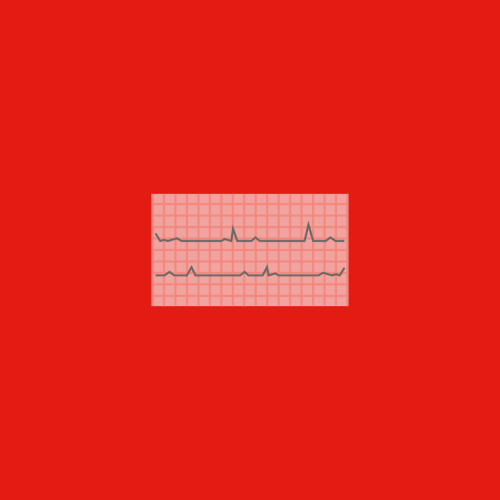
An electrocardiogram (ECG) is a quick and painless test that measures the activity and rhythm of the heart. It can show if there is reduced blood flow to the heart or if there is damage to the heart. The ECG will also show how fast the heart is beating and can show any irregularities in its rhythm.